
Nutritional labelling testing can benefit various food businesses as it can accurately determine the nutrients information within the product, thereby adding more value to the product.
Nutritional labelling testing can benefit various food businesses as it can accurately determine the nutrients information within the product, thereby adding more value to the product.
Nutritional labelling can create awareness in the minds of consumers.
Proper Nutritional labelling and testing is important to approve a food product for sale on the market by the government regulatory bodies.
Nutritional labelling acts as an important source of information to consumers with specific needs like children, old aged, and also about allergens, intolerances like citrus, lactose etc.,
The Reference Daily Intake (RDI) is used to determine the Daily Value (DV) of foods, which is printed on nutrition facts labels (as % DV).
The daily value(DV) refers to how much of a nutrient an adult should consume each day based on a 2,000 calorie diet. The FDA chose 2,000 calories based on the energy needs of an average adult. However, this value varies based on a variety of factors like age, weight, height, and physical activity level.
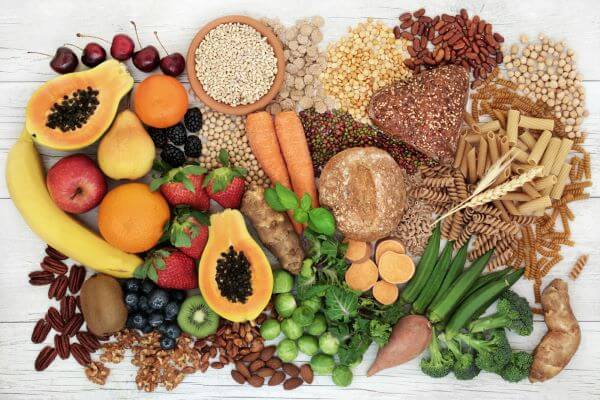
Carbohydrates are organic macromolecules composed of carbon, hydrogen, and oxygen, primarily serving as the body's primary energy source. They are classified into simple sugars (monosaccharides & disaccharides) and complex carbohydrates (oligosaccharides & polysaccharides). Carbohydrate metabolism involves enzymatic hydrolysis and glycolysis, leading to ATP production. Glycemic index determines their impact on blood glucose levels, influencing metabolic health. Excess carbohydrate intake is stored as glycogen in the liver and muscles or converted to adipose tissue.
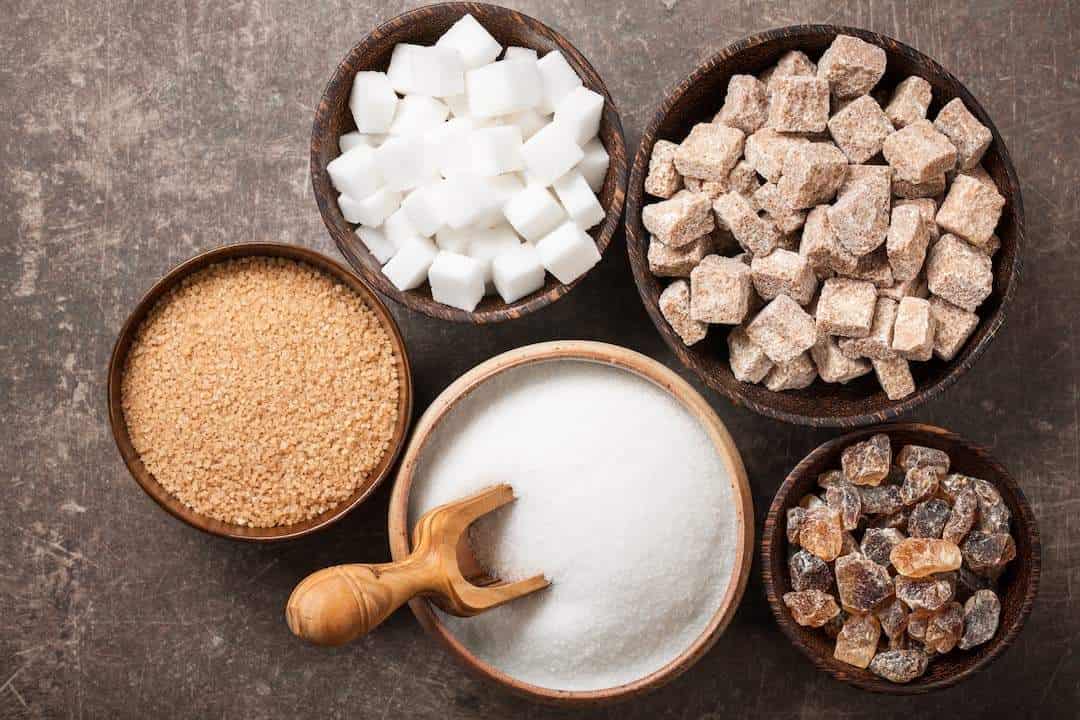
Polyols, also known as sugar alcohols, are hydrogenated carbohydrates with reduced caloric value, used as low-glycemic sweeteners in food products. These polyhydric alcohols, including sorbitol, mannitol, maltitol, and xylitol, exhibit humectant properties and provide a cooling effect upon dissolution. Unlike erythritol, polyols can cause osmotic diarrhea due to incomplete intestinal absorption. Their metabolism occurs partially via fermentation by colonic microbiota, yielding short-chain fatty acids and gases. Polyols are non-cariogenic and often used in diabetic-friendly and sugar-free formulations.

Erythritol is a four-carbon sugar alcohol with a near-zero glycemic index and 90% absorption in the small intestine, preventing fermentation-related gastrointestinal distress. Its unique molecular structure allows it to be excreted unchanged in urine, minimizing caloric contribution (0.2 kcal/g). As a non-hygroscopic and non-cariogenic sweetener, erythritol stabilizes moisture in food matrices while exhibiting antioxidant properties. Unlike other polyols, it does not induce laxative effects due to its high bioavailability. Its thermodynamic stability enables incorporation in heat-processed food formulations.
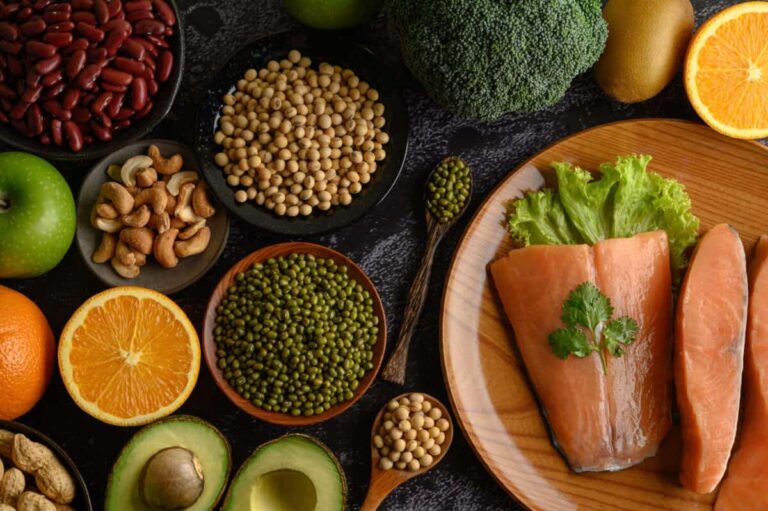
Proteins are complex macromolecules composed of amino acids linked by peptide bonds, functioning as structural, enzymatic, and signaling biomolecules. Their primary structure determines secondary (α-helices, β-sheets) and tertiary conformations, essential for bioactivity. Protein digestion involves proteolysis by pepsin, trypsin, and peptidases, breaking them into absorbable amino acids. Essential amino acids must be obtained exogenously, as they cannot be synthesized de novo. Protein deficiency impairs muscle synthesis, immune response, and enzymatic functions, while excess intake can lead to renal overload.
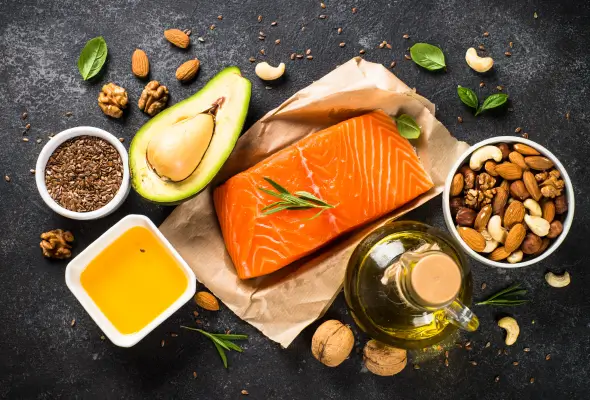
Fats, or lipids, are hydrophobic molecules composed of triglycerides, phospholipids, and sterols, essential for cellular integrity and energy storage. Saturated and unsaturated fatty acids influence lipid metabolism, impacting cardiovascular health. Lipolysis and β-oxidation convert fats into ATP, while excess lipids are stored in adipose tissue. Essential fatty acids (omega-3 & omega-6) must be obtained through diet due to the body's inability to synthesize them. Lipoproteins facilitate fat transport, with HDL being cardioprotective and LDL contributing to atherogenesis.

Ethanol (C2H5OH) is a volatile, amphipathic compound that undergoes hepatic oxidation via alcohol dehydrogenase (ADH) and aldehyde dehydrogenase (ALDH), producing acetaldehyde and acetate. It exhibits psychoactive properties by modulating GABAergic neurotransmission, leading to central nervous system depression. Chronic ethanol consumption induces hepatotoxicity, causing fatty liver, cirrhosis, and oxidative stress. It influences metabolic pathways by inhibiting gluconeogenesis and promoting lipid peroxidation. Ethanol absorption is rapid via gastric and intestinal mucosa, reaching peak plasma levels within 30-90 minutes post-ingestion.
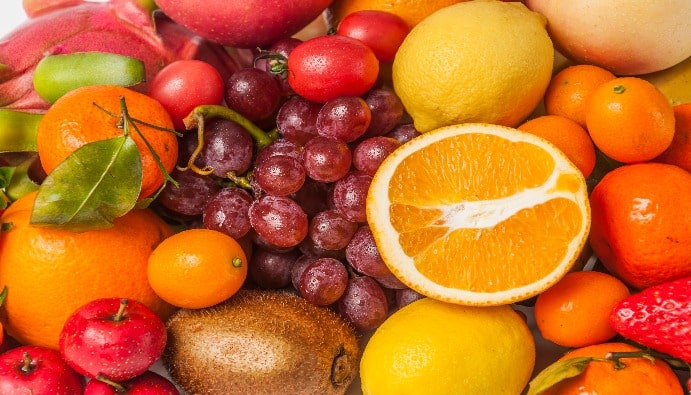
Organic acids are carbon-based weak acids that play pivotal roles in metabolic pathways such as the Krebs cycle, pH homeostasis, and microbial preservation. These acids, including citric, lactic, acetic, and malic acids, exhibit antimicrobial properties by disrupting microbial cell membrane integrity. Their buffering capacity regulates food acidity, influencing sensory attributes like tartness and flavor stability. Organic acids participate in chelation, enhancing mineral bioavailability and enzymatic activity. Excess accumulation can lead to metabolic acidosis, disrupting physiological pH balance.
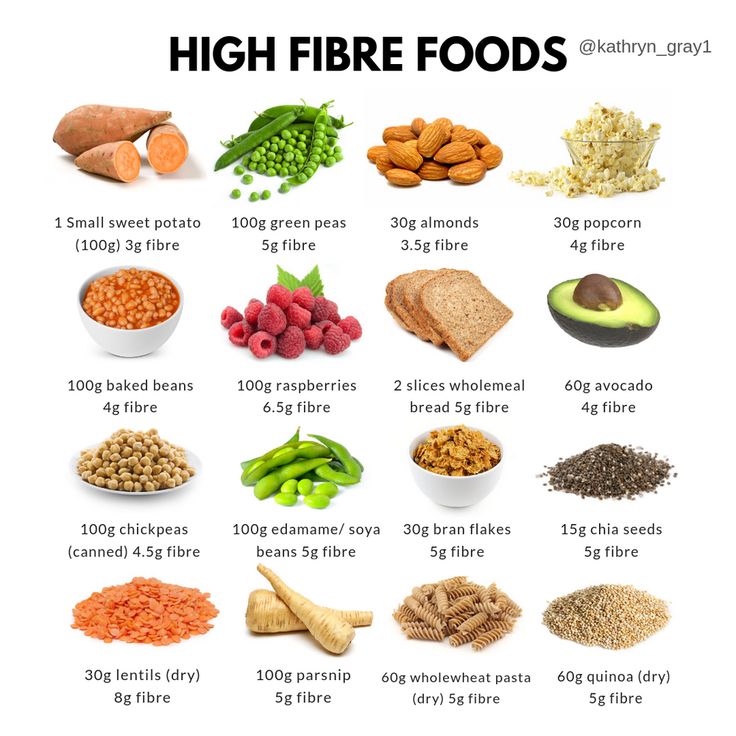
Dietary fiber comprises indigestible plant polysaccharides, including cellulose, hemicellulose, pectin, and lignin, essential for gastrointestinal health and metabolic regulation. Soluble fiber forms viscous gels, modulating glucose absorption and cholesterol metabolism, while insoluble fiber enhances fecal bulk and intestinal motility. Fermentation of fiber by gut microbiota yields short-chain fatty acids (SCFAs), promoting colonic health and immune function. Fiber regulates satiety by delaying gastric emptying, aiding in weight management. Inadequate fiber intake is linked to gastrointestinal disorders, dyslipidemia, and metabolic syndrome.